Posted by ANDREA SANTIZO on DECEMBER 8, 2019
By Andrea Santizo
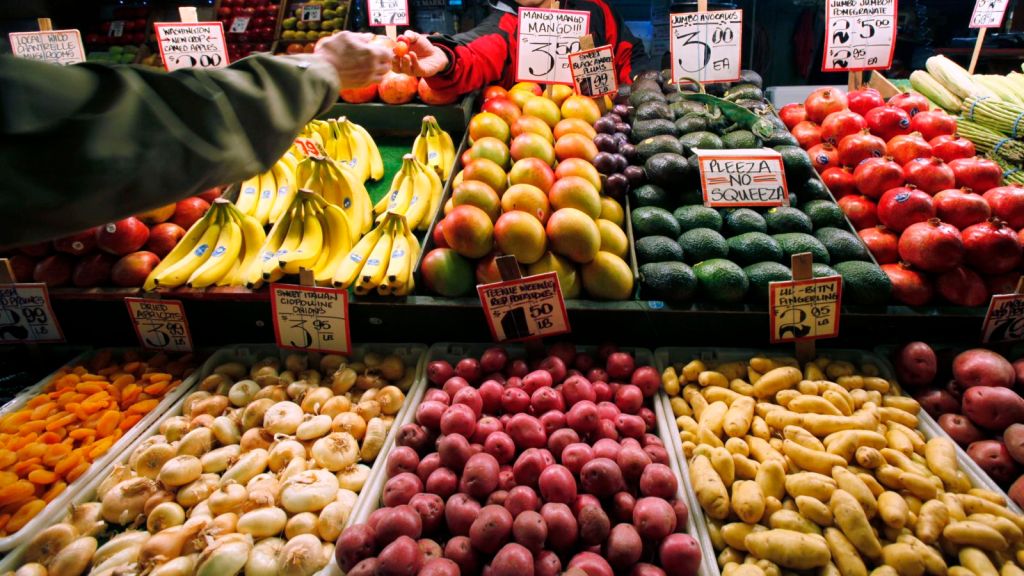
Viewing how the socioeconomic classes face huge gaps in income and financial stability, the various levels of economic well being can leave those in each class to have a variation of diets. Is this due to growing prices of what is healthy meals, or how one views what it means to have a healthy diet?
Ask someone, anyone as a matter of fact, what their one memory during their K-12 education is when it came to health class. Most of the time it’s the “golden rule” that was shoved down everyones throats that eating healthy is necessary, and if you aren’t then you can just hold up a giant sign saying “Beware: Health Problems Ahead”. The DIY healthy snacks would come in handy, if the simple fact of how expensive it is to purchase organic or fresh produce was revealed to our younger selves who were too busy jumping for joy over learning about healthy eating.
Is My Healthy Diet The Same All Around
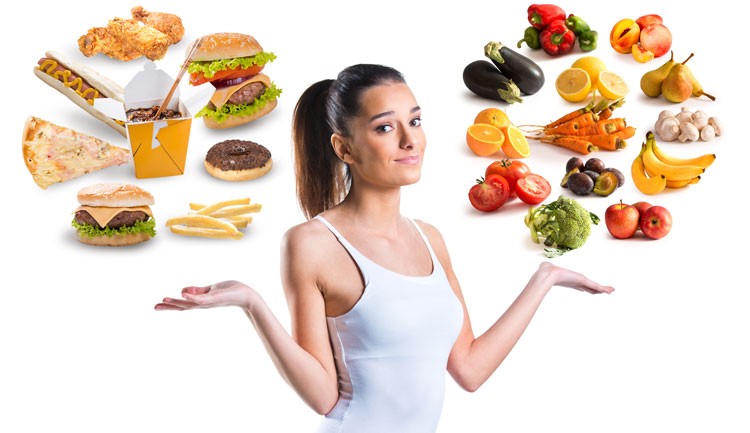
One can ask themselves, “Is my diet the correct one since this person eats differently, and this celebrity is promoting a whole new diet?” Well the answer is plain simple, The Breast Cancer Organization can tell you, “Healthy eating means eating a variety of foods that give you the nutrients you need to maintain your health, feel good, and have energy.”, but this feel good or maintained state of health will vary from person to person. Many reasons such as body types, allergens, and food available come to mind that could explain this variation of diets, but income plays a bigger role. Jaime Ducharme of TIME Magazine put it simply, “Different people, even identical twins (who have nearly the exact same DNA), may respond to the same foods very differently.” which brings in the discussion of income judging what one can eat.
Economic Class Determines My Diet
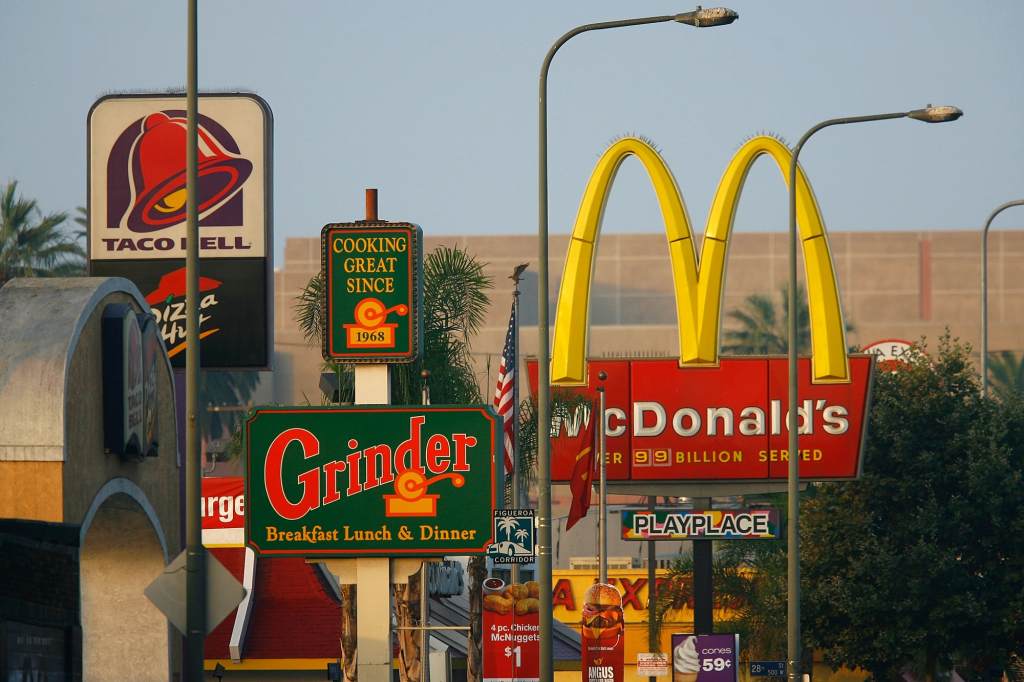
Its clear that the ever growing gap between economic classes has only become increasingly worse over the past few years. Not many realize that this trickles down into changing what each class can buy, and how certain items one could buy could “break the bank” or leave you with nothing in your wallet. As Anna Vlasits puts it, “At the highest echelon, the elusive “ideal” diet is achieved by less than 2 percent of the population.” so those who are in high income classes can afford the ideal “healthy diet” while the remaining are stuck with accepting what they can afford. This still leaves the question open on what is really the true cause for this disparity among socioeconomic classes. One answer may be that with the increase in the cost of healthier food items, peoples perception of eating healthy has changed to “only a luxury available to those in the higher classes”. Now only that but Vlasits even mentions how “Junk food and fast food is targeted to low income classes”, which is subtle but no less a huge impact on how people eat. On every McDonalds commercial one sees the average Joe Shmoe eating a Big Mac, not a celebrity going to eat there on a daily basis or someone of a higher wealth stopping by for some chicken nuggets. The point being made here is that theres characteristics and traits among the different socioeconomic classes that are weighing heavily on their dietary needs. Raise prices for things such as fruits or vegetables essential to ones diet, then the outcome is that they’ll search for the cheaper alternative which isn’t always nutritious.
“As the economy in general has worsened, people who are worse off have suffered the most and we see that with food too,”
Dr. Dariush Mozaffarian, Tuft University
Do I Worse My Diet or Live Pay Check to Pay Check
The concept that healthy foods are only available to those in the higher echelons of society is what drives people to believe their minimum wage job will not allow them to pursue a healthy diet. This is a misconception that doesn’t take into account how expensive eating out for every meal can rack up a persons bill. The Huffington Posts explains how pursuing healthier options for meals could cost someone $550 more per year. That looks like a set answer for the question on if your constant McDonalds or Chick Fil A runs are bad investments aren’t that bad after all. Can’t say this is 100% true as this doesn’t take into account the health costs for cramming fried chicken down your system every day. Dr. Dariush Mozzafarian says that, “Hidden health costs like our global obesity epidemic and the food-related public health issues of heart disease, diabetes, and cancer are certainly not included in the cost of your fast food meal,” so your young abled body may rack up some serious medical bills for the choice to get that Big Mac with a large fry. This goes into the different classes as stated before, those in the lower classes may experience this type of problem while those in the upper classes have more open doors to avoiding these health costs. So is it you starve because you don’t want to spend money on unhealthy food, or you learn to stretch a pay check so you could make the right food choices? The answer is up to the one deciding when it comes to this conversation.
The Right Choice or The Healthy Choice
This issue has to be looked at on a world wide scale as the differences in diets around the world may not be greatly affected or improved on if people ate healthier. In reality, it could severely hurt certain economies that essentially don’t benefit from such a luxury diet, and are spending more money then needed on basic food necessities. From the London School of Hygiene and Tropical Medicine, researchers make it a point to note that a good diet is always something that everyone should aim to have, however it may come with “unintended consequences” that could deter more people away from healthy eating. So that new all vegetable and vegan diet may be good for you, but also breaking countries like Brazils, as mentioned by the same London School of Hygiene, may break the bank in that they lose out millions of dollars in their meat industry. Of course the domino effect occurs: people lose their jobs, the economy worsens, and the country falls into extreme poverty. Professor Richards puts it simply, “‘In an ideal world, we would all have a perfect diet,” Smith said. “But it’s also desirable that everybody has a job.'” so it’s more “who could benefit from this” and not “everyone can benefit from this”.
Our Environment Growing Up Decided What We Consumed
Each socioeconomic class will see that certain things also play a influence on what foods they eat, or what their diet could consist of. A kids environment influences how they end up as a adult, and this is true when it comes to their diet. Things such as ones culture, economic status, personality, taste, and many others push the person to lean towards a certain diet. Try to think about a Latino child who grew up in a low income household. Even though staying true to tradition was always number one, the food that one had access to was limited on most occasions. If it wasn’t advertised as being on sale, or the coupon book didn’t have it then whatever treat or food you wanted was off limits. This ties into the whole concept that,”The potential for food wastage leads to a reluctance to try ‘new’ foods for fear the family will reject them.” so if mom doesn’t see that you’ll finish this before it expires, then it isn’t worth the money. Now if we look on the other side of the mirror, the wealthier family doesn’t think twice about the things they’ll need to buy. The option to eat and prepare healthier is at their finger tips, with the cost of premium or organic goods not being something to worry about. They may go to places such as, Whole Foods, who are visualized as the stores pushing the cost for higher quality food items beyond the grasps of those in the lower income classes. This influence in environment and income drastically changes how one eats on a daily basis.
Now this conversation isn’t just for the college student surviving off of pop tarts and ramen noodles, begging for a real meal, but the struggling family who can’t imagine what having a healthy diet consists of. It’s clear that the issue between being able to eat healthy with a stable source of income that many within the country, and even around the world, are facing at the moment. Economic disparities and food are becoming closely related issues now since society is seeing a drastic difference between food costs now and a decade ago. Your parents probably tell you stories on how they could afford a whole nice dinner off of a few bucks, whereas now those few bucks barely gets you a burger from McDonalds. So what is the real issue here? Why is it that buying a salad breaks a college students bank account? Is there any way to fix this income gap? Can healthier food be available to all income classes?
Bibliography
CBS News. (2010, November 11). Eating Healthy Hurts Economy? Sometimes. Retrieved from https://www.cbsnews.com/news/eating-healthy-hurts-economy-sometimes/.
Designing a Healthy Eating Plan. (2016, February 4). Retrieved from https://www.breastcancer.org/tips/nutrition/healthy_eat/plan.
Ducharme, J. (2019, June 10). Study: There’s No Such Thing as a One-Size-Fits All Diet. Retrieved from https://time.com/5600706/personalized-diets-study/.
Ferdman, R. (2019, April 26). The disturbing ways that fast food chains disproportionately target black kids. Retrieved from https://www.washingtonpost.com/news/wonk/wp/2014/11/12/the-disturbing-ways-that-fast-food-chains-disproportionately-target-black-kids/.
Polis, C. (2014, January 23). This Important Eating Habit Will Cost You More Than $500 Extra Each Year. Retrieved from https://www.huffpost.com/entry/eating-healthy-vs-unhealthy_n_4383633.
Rosenbloom, C. (2019, September 24). Perspective | Instagram and Facebook ban ‘miracle’ diet posts, but there’s much more work to do. Retrieved from https://www.washingtonpost.com/lifestyle/wellness/instagram-and-facebook-ban-miracle-diet-posts-but-theres-much-more-work-to-do/2019/09/23/0829a872-de26-11e9-b199-f638bf2c340f_story.html.
The Factors That Influence Our Food Choices. (n.d.). Retrieved from https://www.eufic.org/en/healthy-living/article/the-determinants-of-food-choice.
Vlasits, A., Vlasits, A., & Servello, A. (2018, February 12). The growing diet divide between rich and poor in America. Retrieved from https://www.statnews.com/2016/06/21/growing-diet-divide/.
 Eating Healthy or Breaking the Bank